

What é means
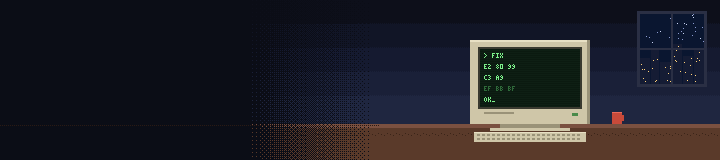
é is a broken é (é): your text was saved as UTF-8 but read as Windows-1252. It's é, the e with an acute accent in café, résumé and thousands of French, Spanish and Portuguese words and names. In UTF-8 it takes two bytes, C3 A9, which Windows-1252 shows as à and ©.
Byte by byte
| Byte | In UTF-8 | Windows-1252 shows |
|---|---|---|
| C3 | lead byte: 2 bytes in all | Ã |
| A9 | continuation byte | © |
Byte by bytestringmash.com/mojibake/broken-e-acute
Where you probably saw it
Names of people and places, such as José, Renée or Québec, in a contact list or a mailing.
French text, where é is one of the most common letters, so whole paragraphs fill with é.
Spreadsheets of customer or product names opened in Excel from a UTF-8 CSV file.
Related sequences
Text broken this way rarely has just one problem. è is a broken è, á is a broken á, ü is a broken ü. The mojibake fixer repairs all of them at once, and its table lists the rest.
Questions
What does é mean?
It's a broken é. The two UTF-8 bytes of é, C3 A9, were read as Windows-1252, which shows them as à and ©.
Why do so many accented letters start with Ã?
All the accented letters from à to ÿ begin with the byte C3 in UTF-8, and Windows-1252 shows C3 as Ã.
Will the fixer damage correct accents?
No. A correct é is left alone. Only à followed by the right second character is changed.
Sources
Added . What's new